
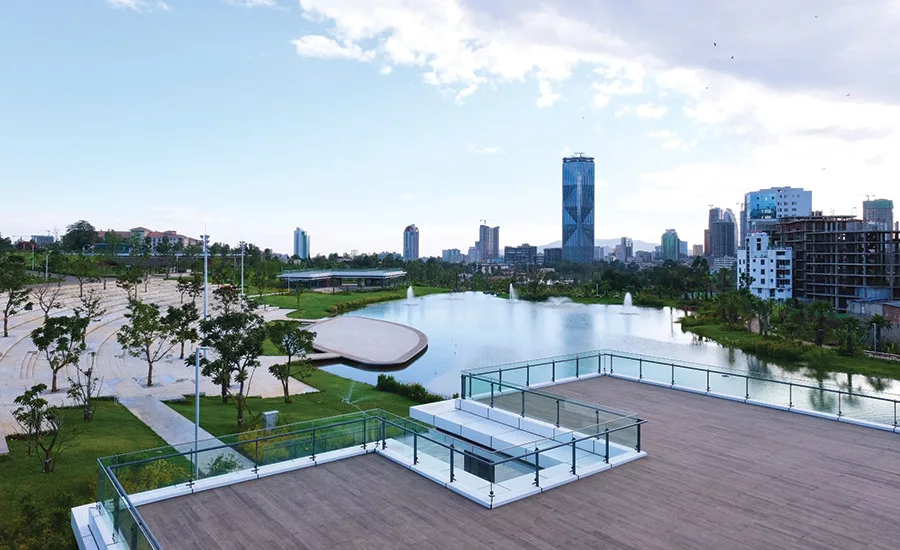
Addis Ababa, Ethiopia’s sprawling capital and diplomatic heart of Africa, is a city of dramatic contrasts and rapid transformation. Its rental housing market mirrors this dynamism, presenting a complex landscape of soaring demand, evolving supply, and significant affordability gaps. For newcomers, professionals, and expatriates, navigating the search for an apartment for rent in Addis Ababa or a house for rent in Addis Ababa is a defining experience, shaped by location, budget, and local know-how.
Market Drivers: Demand Outpacing Supply
The primary engine of Addis Ababa’s rental market is sustained urban migration and a growing professional class. As the political and economic center of Ethiopia, the city attracts individuals from across the country seeking opportunity. Concurrently, the presence of the African Union, a dense concentration of NGOs, international corporations, and diplomatic missions fuels a steady influx of expatriates. This creates a two-tiered market: a high-end, dollar-denominated sector and a larger, more diverse market serving local and regional tenants.
New construction has been prolific in certain areas, with high-rise apartments transforming the skyline. However, this supply often targets the upper echelons of the market. The majority of Addis Ababa’s residents, however, seek more affordable options, leading to intense competition in middle and lower-income segments. Infrastructure developments, like the Addis Ababa Light Rail, have also begun to influence rental values along its corridors, gradually expanding the geographic perception of desirable areas.
Popular Expatriate Neighborhoods: Comfort, Convenience, and Community
Expatriates and diplomatic personnel tend to cluster in specific neighborhoods that offer perceived security, international-standard amenities, proximity to offices, and community networks. The rental prices in these areas are substantially higher and are almost exclusively quoted in US Dollars.
· Bole: Undisputedly the most popular hub for expats. Centered around Bole Road and encompassing areas like Bole Medhanealem and Bole Rwanda, this district is home to international schools, upscale supermarkets, restaurants, cafes, and the city’s busiest commercial artery. Finding a modern apartment for rent in Addis Ababa’s Bole district means access to a cosmopolitan lifestyle, albeit at a premium. Gated compounds with security, generators, and amenities are the norm.
· Old Airport / Kazanchis: This area is a major center for international organizations, NGOs, and diplomatic compounds. Its appeal lies in its proximity to key offices and a quieter, more low-key atmosphere compared to Bole. A house for rent in Addis Ababa’s Old Airport area is often in a secured compound, highly sought after by families and long-term professionals attached to institutional tenants.
· Lideta (Around Gotera) and Ayat: These areas represent newer frontiers of expat living. Ayat, in particular, has seen explosive development of gated communities and spacious villas. It offers larger properties, more greenery, and a suburban feel, attracting families looking for a stand-alone house for rent in Addis Ababa. Lideta, especially near the Gotera intersection, offers modern apartment blocks with good access to the ring road.
· Cheren and Meskel Flower: Adjacent to Bole, these neighborhoods offer a slightly more residential vibe while remaining close to the action. They are popular for quieter compounds and are well-served by amenities.
The Search Process: Agents, Online Platforms, and Word-of-Mouth
The hunt for an apartment for rent in Addis Ababa typically involves multiple avenues. While online platforms and social media groups (especially Facebook) are increasingly used, the market remains heavily reliant on real estate agents. A reputable agent with strong local networks is invaluable, as many prime properties are never publicly listed. For expats, relocation services provided by employers or specialized agencies are common.
Word-of-mouth within the expatriate and professional community remains a powerful tool. Vacancies in well-managed compounds often fill quickly through referrals. It’s crucial to note that rental contracts vary widely; many require advance payments of 6 months to 2 years of rent, a significant financial hurdle. Negotiations often involve key money (“goodwill”), a non-refundable fee paid to the outgoing tenant or agent to secure the lease.
Challenges and Considerations
Prospective tenants face several challenges. The dual-currency system creates complexity, and fluctuations in the Birr’s official versus parallel market rate can impact those paying in dollars. Consistent utilities, particularly reliable water supply and internet connectivity, are not guaranteed in all areas and are a key question to ask when viewing any property.
Furthermore, the legal framework for tenancy can be opaque. Ensuring a clear, detailed contract that outlines responsibilities for repairs, utility payments, and dispute resolution is essential. Traffic congestion is a critical factor in choosing a location; a seemingly short distance on a map can translate to a grueling daily commute.
The Future Outlook and Navigating Your Search
The rental market in Addis Ababa is at a crossroads. The government has shown interest in regulating the market to improve transparency and protect tenants, but implementation is gradual. The future supply pipeline continues to favor high-end apartments, though there are nascent efforts to promote more mid-income housing projects.
For now, the market remains a landlord’s arena, particularly in sought-after expat enclaves. Successfully securing a desirable house for rent in Addis Ababa or a comfortable apartment for rent in Addis Ababa requires patience, local expertise, and a clear understanding of one’s priorities—be it proximity to work, lifestyle amenities, space for a family, or budget constraints. For those beginning their search, consolidating listings from various agents and platforms can be a daunting task. Prospective tenants can find a useful aggregated starting point for browsing current availabilities on dedicated real estate portals, such as ethiopianproperties.com, which lists a variety of options across the city’s neighborhoods.
In conclusion, Addis Ababa’s rental housing market is a vibrant microcosm of the city itself: growing, ambitious, and unequal. It offers modern comfort to some while presenting hurdles of affordability and access to many. For the expatriate or new resident, it demands research, local partnerships, and adaptation, but ultimately provides a unique window into the life of a city that is relentlessly writing its own future.